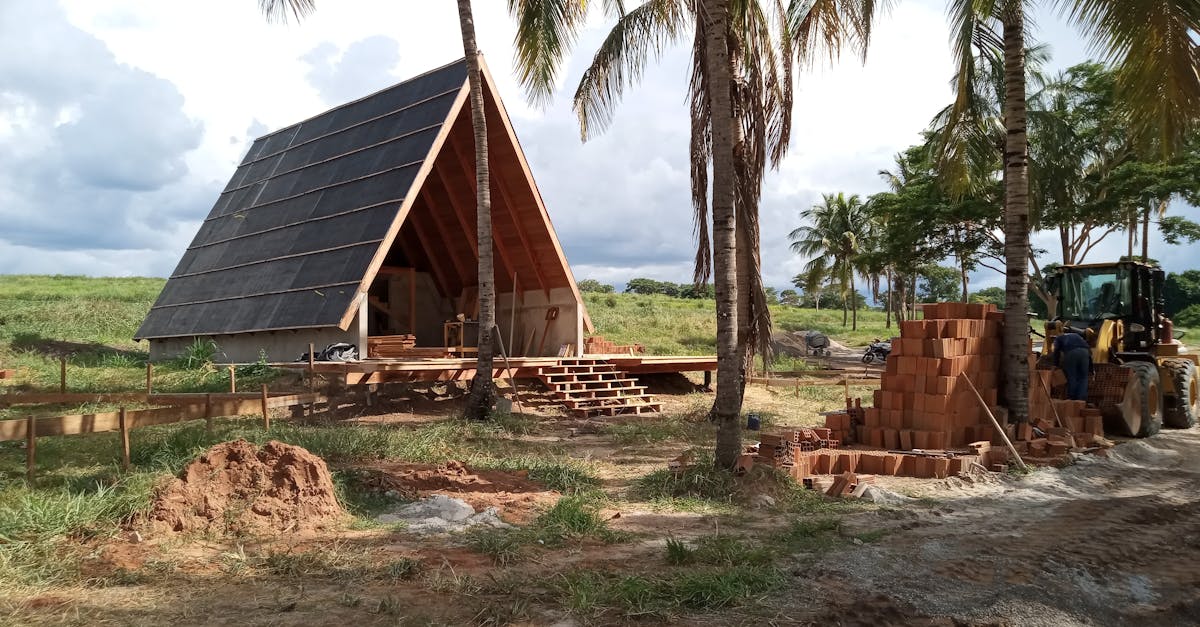
Evaluating Roofing Material Options
When evaluating roofing material options for roof replacement, it's important to consider factors such as cost, durability, and aesthetics. Asphalt shingles are often the most economical choice and provide a decent lifespan. Metal roofing has gained popularity due to its longevity and energy efficiency but usually comes with a higher upfront investment. Other materials like tile or slate offer unique visual appeal and robust durability, yet they can significantly increase overall costs. The choice of roofing material should reflect both personal preferences and budget constraints.
Weather conditions in your region can also influence the selection of roofing materials. For example, areas prone to heavy snow might benefit from materials that can withstand weight and resist ice damage. Conversely, regions with high humidity may require materials with enhanced moisture resistance. This decision is crucial during roof replacement because it not only affects the longevity of the roof but can also impact the home’s energy efficiency and resale value.
Comparing Durability and Lifespan
When considering a roof replacement, evaluating the durability of different roofing materials is essential. Asphalt shingles typically last around 15 to 30 years, depending on the quality and maintenance. Metal roofing, on the other hand, can endure for 40 to 70 years with minimal upkeep. Other materials, like slate or tile, offer even longer lifespans, often exceeding 100 years. Each material's ability to withstand weather, UV exposure, and temperature fluctuations plays a significant role in its longevity.
The lifespan of roofing materials influences both short-term and long-term costs associated with roof replacement. Choosing a more durable option may involve higher upfront costs, but it can result in lower long-term expenses due to reduced frequency in replacements. Factors such as local climate and installation methods will also impact how long a roof lasts. Homeowners should carefully weigh these considerations to align their choices with their budget and long-term property plans.
Understanding Local Building Codes
Local building codes play a crucial role in the roof replacement process. These regulations ensure that new roofs meet safety and durability standards set by local authorities. Each municipality may have its specific codes regarding materials, installation methods, and structural requirements, so it’s essential to familiarize yourself with these before beginning a project. This understanding can help avoid potential fines or the need for costly modifications later on.
Permits are often required for roof replacement, depending on your location and the extent of the work. Homeowners should check with their local building department to determine which permits are necessary and the application process involved. Adhering to these regulations not only safeguards your property but also contributes to maintaining neighborhood standards and property values. Understanding these requirements can streamline the replacement process and ensure a smooth experience from start to finish.
Permits and Regulations to Consider
When planning a roof replacement, it’s essential to familiarize yourself with local building codes. These codes ensure safety and consistency in construction practices. Variations in requirements may exist depending on your state or municipality, so checking with your local building department is crucial. Compliance with these regulations helps you avoid fines and ensures that your new roof meets safety standards.
In many areas, a permit is required for a roof replacement project. Obtaining the necessary permits involves submitting specific documentation, which may include architectural drawings and an estimate of the project costs. Failing to secure the proper permits can lead to complications down the line, such as having to remove your new roof if it violates local codes. Consulting with your contractor about the permitting process can streamline the project and help ensure all regulations are met.
Timing Your Roof Replacement
Timing your roof replacement can significantly impact both the cost and the overall efficiency of the project. Generally, late spring and early fall are considered the best seasons for roof replacements. Weather conditions during these times tend to be more stable, which allows roofing teams to work efficiently without interruptions due to rain or extreme temperatures. This can also help ensure that the installation process goes smoothly and that the materials used perform adequately throughout their lifespan.
In addition to weather considerations, local demand for roofing services can fluctuate throughout the year. Most homeowners embark on their roof replacements during favorable weather, which often leads to higher costs due to increased demand. By scheduling your roof replacement during off-peak seasons, you may have better negotiating power and potentially reduced costs. Furthermore, understanding the local climate and how it may affect roofing material choices can also guide your timing decision.
Seasonal Factors That Impact Costs
Seasonal factors play a significant role in determining the costs associated with roof replacement. The demand for roofing services often peaks during spring and summer months. Homeowners looking to replace their roofs frequently take advantage of the favorable weather conditions. This influx of requests can lead to increased pricing due to higher labor costs and material shortages.
Winter, on the other hand, can present challenges for roof replacement projects. Cold temperatures may hinder the installation process, leading some contractors to charge extra for their work. Additionally, harsh winter weather may delay scheduled jobs, extending the overall timeframe for project completion and potentially impacting the budget. Understanding these seasonal dynamics can help homeowners anticipate costs more accurately when planning a roof replacement.
FAQS
What factors should I consider when evaluating roofing material options?
When evaluating roofing material options, consider durability, lifespan, cost, maintenance requirements, energy efficiency, and aesthetic appeal. Additionally, local climate and building codes may influence your choice.
How can I compare the durability and lifespan of different roofing materials?
To compare durability and lifespan, research manufacturer warranties, read reviews, and consult with roofing professionals. Materials like metal and slate typically have longer lifespans, while asphalt shingles may need to be replaced sooner.
Why is it important to understand local building codes when replacing a roof?
Understanding local building codes is essential to ensure your roof replacement complies with regulations, which can affect safety, insurance, and resale value. Non-compliance may result in fines or the need to redo work.
What permits do I need for a roof replacement?
The permits required for a roof replacement vary by location, so check with your local building authority. Common permits may include roofing permits and potentially structural permits, depending on the scope of work.
How do seasonal factors impact the cost of roof replacement?
Seasonal factors can impact costs as roofing companies may charge more during peak seasons (like spring and summer) due to high demand. Off-peak seasons (like fall and winter) might offer lower prices and better availability.