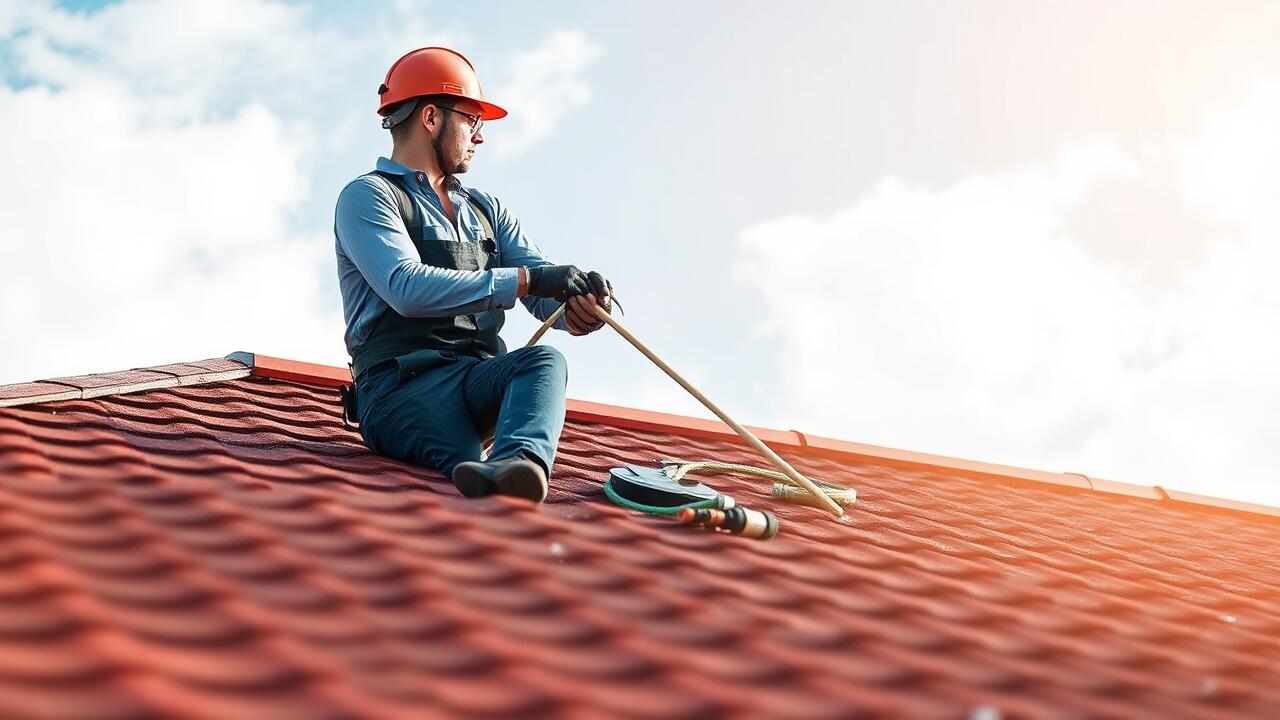
At National Roofers, we specialize in comprehensive roof installation services tailored to meet the unique needs of each client. Our experienced team utilizes high-quality materials and advanced techniques to ensure that your new roof is not only durable and reliable but also enhances the aesthetic appeal of your property. Whether you're building a new home, replacing an old roof, or undergoing a renovation, we offer a range of roofing options, including shingles, tiles, and metal roofing, to suit your style and budget. Our commitment to exceptional craftsmanship and customer satisfaction means you can trust us to deliver a roof that protects your investment for years to come.
Common Roof Installation Mistakes to Avoid
One of the most common mistakes in roof installation is improper measurements. Inaccurate measurements can lead to significant issues, such as misaligned shingles and gaps that allow water to seep through. Before any cutting or installation begins, verify the dimensions of the roof. Ensuring precise measurements not only enhances aesthetics but also provides vital protection against the elements.
Neglecting proper ventilation is another critical error often made during roof installation. Adequate ventilation helps to maintain a balanced temperature and moisture level in the attic space. Without it, homeowners may face problems such as mold growth, heat buildup, and shortened roof lifespan. Installing appropriate vents during the roofing process is essential for ensuring the long-term health and durability of the roof.
Identifying and Preventing Costly Errors
Roof installation can lead to significant expenses if mistakes are made during the process. One common error involves improper measuring and cutting of roofing materials. If adjustments are not made for overhangs and slopes, homeowners may find themselves needing replacement materials, which drives up costs and extends project timelines. Additionally, neglecting to secure materials properly can lead to leaks and other damage down the line, necessitating major repairs.
Another frequent misstep occurs when homeowners skip the inspection of their existing roof structure before installation. Failing to address underlying issues, such as rotting wood or insufficient insulation, can compromise the integrity of the new roof. Spotting these problems early allows for necessary repairs before the installation process begins. By ensuring that both measuring and structural integrity are prioritized, costly errors can be minimized effectively.
Timing Your Roof Installation
Choosing the right time for roof installation is crucial for ensuring a smooth process and optimal results. Weather plays a significant role in this decision, as extreme temperatures, heavy rains, or high winds can lead to serious complications. Planning your project during moderate seasons often leads to fewer delays and allows for easier handling of materials by contractors. Additionally, contractors are usually more available during off-peak seasons, which can lead to better pricing and scheduling flexibility.
Spring and fall are typically regarded as the best seasons for roofing projects. During these times, temperatures are generally mild, offering a comfortable work environment for crews and allowing materials to adhere properly. Furthermore, completed roofs can withstand winter weather and summer storms more effectively when installed during these ideal months. Homeowners should also consider any local events or peak times in their area that may affect contractor availability and pricing.
Best Seasons for Roofing Projects
The ideal seasons for roofing projects generally fall within late spring to early fall. During these months, weather conditions are often more predictable, providing contractors with a stable environment to work efficiently. Warm temperatures and lower humidity levels create favorable circumstances for roof materials to adhere properly. Additionally, longer daylight hours mean more time for workers to complete projects without rushing, increasing the quality of the installation.
While summer offers the warmest temperatures, late spring and early fall may present fewer challenges related to drastic weather changes. Rain in the early spring and winter storms can sometimes delay roofing projects, making the transitional seasons more suitable. Planning ahead ensures that homeowners can secure timely work, reducing risks associated with winter weather and potential leaks.
The Role of Building Permits in Roof Installation
Building permits are essential when undertaking a roof installation project. They serve as official approval from local authorities, ensuring that the work complies with local building codes and safety standards. Obtaining the necessary permits can also protect homeowners from potential fines or legal complications that might arise from unapproved work. Furthermore, many insurance companies require proof of proper permitting in the event of a claim related to the roof.
Understanding local regulations is crucial for a successful installation. These rules vary significantly from one area to another, depending on factors such as climate and construction practices. It is important for homeowners to consult with their roofing contractor to navigate these requirements effectively. A knowledgeable contractor can streamline the permitting process and ensure all necessary documentation is in place, ultimately leading to a smoother and more compliant installation experience.
Understanding Local Regulations and Compliance
Local regulations play a crucial role in roof installation. Each city or county may have specific codes and requirements that homeowners and contractors must follow. This can include regulations on materials, styles, and construction methods that ensure safety and aesthetic harmony within the community. Not adhering to these guidelines can result in fines, required corrections, or even the necessity of redoing the entire project.
Before commencing any roofing project, it is essential to obtain the necessary permits. Building permits not only ensure compliance with national and local building codes but also provide an opportunity for inspections. These inspections can help identify potential issues early on, promoting a safer and more effective installation process. Understanding the local landscape of regulations is vital for a successful roofing project that meets all legal and safety standards.
FAQS
What are the most common mistakes to avoid during roof installation?
Common mistakes include improper measurements, neglecting to check for underlying damage, using the wrong materials, failing to ensure adequate ventilation, and not following manufacturer guidelines.
How can I identify costly errors during a roof installation?
You can identify costly errors by conducting regular inspections, hiring a qualified roofing contractor, and ensuring proper communication throughout the installation process to address concerns immediately.
What is the best time of year to install a roof?
The best seasons for roofing projects are typically spring and fall, as the weather is mild and less likely to affect the installation process.
Do I need a building permit for roof installation?
Yes, in most cases, you will need a building permit for roof installation. Local regulations vary, so it's essential to check with your local building department before beginning the project.
How can I ensure compliance with local regulations during roof installation?
To ensure compliance, familiarize yourself with local building codes and regulations, obtain necessary permits, and work with a licensed roofing contractor who understands the requirements in your area.