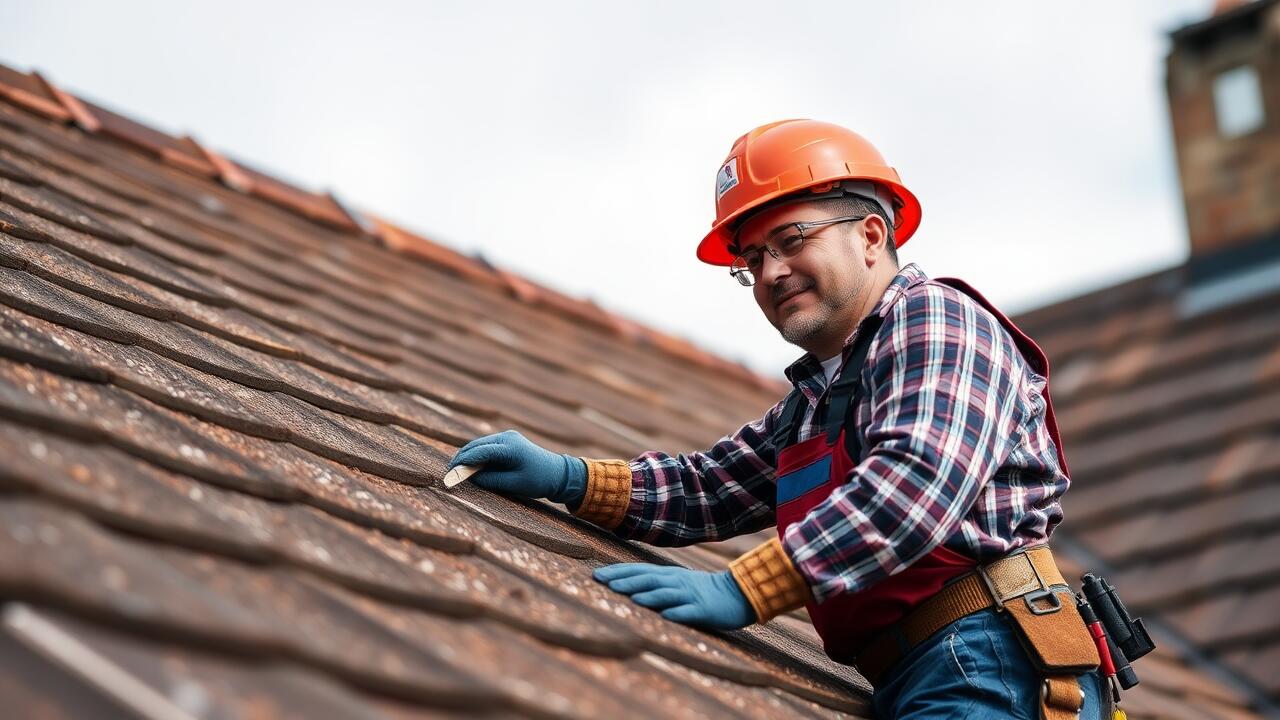
At National Roofers, we understand that a well-maintained roof is essential for the safety and longevity of your home. Our comprehensive roof inspection service is designed to identify potential issues before they escalate into costly repairs. Our experienced professionals thoroughly examine every aspect of your roof, including shingles, flashing, gutters, and ventilation systems. We provide detailed reports highlighting any areas of concern, ensuring you have a clear understanding of your roof's condition. With our commitment to quality and customer satisfaction, you can trust National Roofers to keep your roof in optimal shape, giving you peace of mind and protecting your investment for years to come.
DIY Roof Inspection Tips
Regularly checking your roof can help prevent expensive repairs down the line. Start by using binoculars to inspect areas that are hard to reach, such as peaks and valleys. Look for missing or damaged shingles, signs of wear and tear, and any debris that might cause blockages. Pay attention to flashing around chimneys and vents, as deteriorated flashing can lead to leaks. If you notice any concerns, take detailed notes and photographs for future reference.
Walk around your property to observe the roof's overall condition from the ground. Look for sagging areas or uneven sections that suggest structural issues. Inspect your gutters for granules from shingles, which can indicate wear. In addition to visual checks, consider the interior of your home as well. Stains on ceilings or walls may signal roof problems that require immediate attention. Regular DIY inspections enhance your home’s longevity while providing peace of mind.
Safety Precautions to Keep in Mind
When inspecting your roof, it is crucial to prioritize safety at all times. Wearing appropriate personal protective equipment is essential. This includes non-slip shoes to prevent falls, a sturdy harness when working on steep roofs, and gloves to protect your hands from sharp edges or debris. It is also wise to inspect the weather before starting your work. High winds, rain, or icy conditions can increase the risk of accidents significantly.
Before you begin the inspection, ensure that you have a secure ladder positioned on a stable surface. The ladder should extend at least three feet above the roofline for easy access. Avoid leaning too far out when standing on the roof, as this can throw you off balance. Have a plan in place for your inspection and be mindful of any overhanging branches or power lines that could pose a hazard. Always consider having a spotter on the ground to keep an eye on your safety and assist if necessary.
Hiring a Professional Roofing Contractor
When considering a roof inspection, hiring a professional can significantly reduce the risk of overlooking critical issues. Experienced contractors possess the expertise to identify both visible and hidden problems that may lead to costly repairs down the line. They also carry the necessary tools and equipment for a thorough assessment, ensuring that no part of your roof is neglected. By choosing a qualified service, homeowners gain peace of mind knowing that the inspection will be comprehensive and accurate.
In addition to technical skills, a professional roofing contractor should be licensed and insured. This protects homeowners from any potential liabilities during the inspection process. A reputable contractor will also provide a detailed report on the condition of the roof, outlining any necessary repairs and maintenance. Customer reviews and testimonials can further assist in finding a qualified inspector, helping to make an informed decision for your roofing needs.
What to Look for in a Qualified Inspector
Finding a qualified roofing inspector requires careful consideration of several factors. Experience is crucial; look for someone who has been in the field for a significant period, as they will likely have encountered a variety of roofing issues. Check for licenses and certifications that meet local regulations. Membership in professional organizations can also indicate a commitment to continuing education and adherence to industry standards.
Additionally, reviews and testimonials from previous clients can provide valuable insights into an inspector's reliability and thoroughness. Ensure that the inspector is insured, which protects you from liability in case of accidents during the inspection process. An inspector who uses detailed checklists and is willing to explain their findings clearly demonstrates a commitment to transparency and thoroughness, making them a more trustworthy choice.
Cost Factors of Roof Inspections
Several factors influence the cost of roof inspections, including the size of the roof and its complexity. Larger roofs or those with intricate designs may require more time and resources to inspect thoroughly. Additionally, the type of roofing material can affect labor hours, as some materials necessitate specialized knowledge for a proper evaluation.
Geographic location also plays a significant role in determining inspection costs. In areas with higher living expenses or competitive markets, you might find prices to be steeper. Homeowners should also consider whether they need a basic inspection or a more detailed assessment, such as a thermal imaging inspection, which can incur additional fees for advanced technology.
Understanding Pricing Structures
The cost of roof inspections can vary significantly based on several factors. The size and complexity of the roof often play a crucial role in determining the price. A larger roof or one with intricate designs might require more time and specialized equipment, leading to higher costs. Additionally, the method used for the inspection, whether it’s a visual assessment or a more thorough technological approach, can impact pricing.
Location can also affect inspection fees. In urban areas where the demand for roofing services is high, prices may trend higher compared to rural regions. Some contractors establish flat fees for standard inspections, while others might charge hourly rates. It’s advisable to discuss pricing upfront and inquire about any additional costs that could arise during the inspection process. This transparency will help in making an informed decision when selecting a roofing contractor.
FAQS
How often should I have my roof inspected?
It's recommended to have your roof inspected at least once a year, preferably in the spring or fall. Additionally, you should inspect it after severe weather events.
What are some common signs of roof damage I should look for during a DIY inspection?
Look for missing or damaged shingles, sagging areas, leaks in the attic or ceiling, and signs of water stains or mold.
Can I perform a roof inspection myself?
Yes, you can perform a DIY roof inspection, but it's important to take necessary safety precautions and be aware of your limitations. If you're unsure, consider hiring a professional.
How much does a professional roof inspection typically cost?
The cost of a professional roof inspection can vary widely based on location and the size of the roof, but it generally ranges from $100 to $400.
What should I ask a roofing contractor before hiring them for an inspection?
Ask about their experience, qualifications, licensing, insurance, and references. It's also helpful to inquire about their inspection process and any potential additional costs.