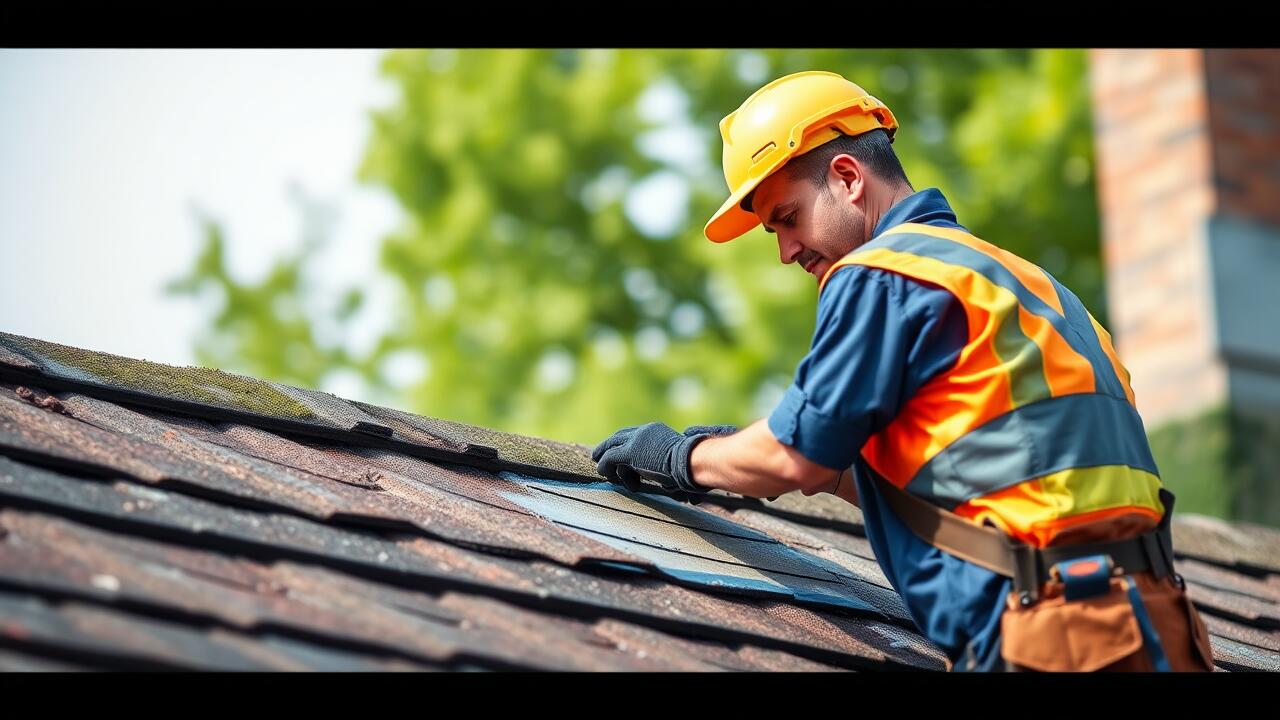
At National Roofers, we understand that proactive roof maintenance is essential to prolonging the lifespan of your roofing system and ensuring the protection of your home or business. Our roof maintenance service includes comprehensive inspections, cleaning, and minor repairs to identify and address potential issues before they escalate. We meticulously check for signs of wear and tear, such as loose shingles, leaks, and clogged gutters, providing you with detailed reports and recommendations to keep your roof in peak condition. With our expert team and commitment to quality, you can have peace of mind knowing that your roof is well-maintained, safeguarding your investment for years to come.
DIY Roof Maintenance Tasks
Regular inspection of your roof is essential for early detection of issues. Performing visual checks after storms can reveal missing shingles, cracks, or other damage. Use binoculars for a closer look without needing to climb up. Inspect areas around chimneys and vents, as these spots are often prone to leaks. Keeping an eye on the ceiling inside your home for signs of water stains can also indicate potential roof problems.
Cleaning your roof helps prolong its lifespan. Removing leaves, twigs, and other debris prevents water accumulation that can lead to mold growth and structural damage. Use a broom or a blower for lightweight debris and a pressure washer for tougher spots. If algae or moss appears, consider a mixture of water and mild detergent to restore your roof’s appearance. Always prioritize safety when working on ladders or steep surfaces.
Simple Repairs You Can Handle
Homeowners can tackle several minor roof repairs without needing to call a professional. Checking for missing or damaged shingles is a great starting point. If you spot a shingle that has come loose, carefully lift the edges and apply roofing adhesive to secure it back into place. For small holes or cracks, roofing cement can work wonders. Just clean the area first, then spread the cement evenly over the damaged section. Taking these simple steps can prevent the problem from escalating into something much costlier.
Another manageable task is addressing minor leaks. Often, these can be traced to flashing around chimneys or vents. Inspect these areas for any signs of wear or gaps. If you find any, apply a new layer of waterproof sealant to enhance the barrier against water intrusion. In addition to these repairs, regularly clearing debris from gutters will ensure proper drainage, further protecting your roof and home from potential water damage. By staying proactive, you can extend your roof's lifespan significantly.
When to Hire a Professional
Recognizing when to call in a professional is essential for maintaining the health of your roof. Homeowners should consider enlisting expert help for tasks that exceed their comfort level or technical skills. Issues such as extensive leaks, structural damage, or aging roofs often require specialized knowledge and equipment. Attempting complex repairs without proper training can lead to further complications and increased costs.
Inspections are another area where professional insight proves invaluable. Regular assessments can identify underlying problems that may not be immediately visible, such as damaged flashing or compromised insulation. Experienced roofing contractors can offer detailed evaluations and recommend appropriate solutions. Ensuring that repairs meet industry standards protects both your investment and the safety of your home.
Knowing When to Seek Expert Help
Certain situations warrant the expertise of a professional roofing contractor. If you notice severe sagging, significant leaks, or extensive water damage within your home, these issues often indicate underlying structural problems that require professional assessment. Attempting to manage these issues without adequate knowledge can lead to further damage or personal injury. In these cases, experienced professionals can identify the best solutions and execute repairs safely and effectively.
Another key reason to contact a roofing expert is when dealing with complex installations or replacements. Tasks such as installing new roofing materials, addressing ventilation issues, or repairing chimney flashings often require specialized tools and skills. A professional brings the right equipment and knowledge to ensure that the job meets safety regulations and functions properly for years to come. Trusting these tasks to the experts can provide peace of mind and protect your investment in your home.
Roof Cleaning Techniques
Keeping your roof clean is essential for its longevity and efficiency. Regular cleaning helps prevent the buildup of debris, moss, and algae, which can lead to damage over time. Start by using a broom or leaf blower to remove loose leaves and twigs. Ensure that your gutters are clear to facilitate proper drainage. If you encounter stubborn stains or growth, a mixture of water and a mild detergent can often suffice in restoring your roof’s appearance.
For a more thorough clean, pressure washing can be effective but should be done with caution. It’s important to select the right pressure setting to avoid damaging roofing materials. A safer alternative includes using a solution designed for roof cleaning that can kill moss and algae without the harshness of high pressure. Always follow manufacturer instructions and consider working in sections to prevent slippery surfaces and ensure even coverage.
Methods for Removing Debris and Algae
Maintaining a clean roof is crucial to preventing damage and extending its lifespan. Start by removing debris such as leaves, twigs, and dirt, which can accumulate over time. A roof rake or a soft-bristle broom can help reach these areas safely, ensuring that you do not damage shingles while clearing off the detritus. Be cautious when using ladders and consider using a harness for added safety if working on a steep pitch.
Algae and moss can also pose a problem, particularly in damp climates. A mixture of water and mild detergent can effectively eliminate these growths. Apply this solution using a garden sprayer and allow it to sit for a short period. Afterward, rinse thoroughly with a hose, taking care to avoid power washing, which can dislodge shingles or cause water intrusion. Regular cleaning not only enhances your roof's appearance but also contributes to its overall health and durability.
FAQS
How often should I perform roof maintenance?
It is recommended to conduct roof maintenance at least twice a year, ideally in the spring and fall, to catch any issues before they become significant problems.
What are some simple repairs I can handle myself?
Simple repairs include replacing missing shingles, sealing minor leaks with roofing cement, and cleaning gutters to ensure proper drainage.
When should I consider hiring a professional for roof maintenance?
You should hire a professional if you notice extensive damage, have a complex roof design, or if you're uncomfortable performing maintenance tasks yourself.
What signs indicate that I need expert help with my roof?
Signs include significant leaks, sagging areas on the roof, extensive mold or algae growth, and visible damage after a storm.
What are effective methods for cleaning my roof?
Effective cleaning methods include using a pressure washer for hard surfaces, applying a mixture of water and mild detergent for general cleaning, and using chemical treatments specifically designed to remove algae and moss.