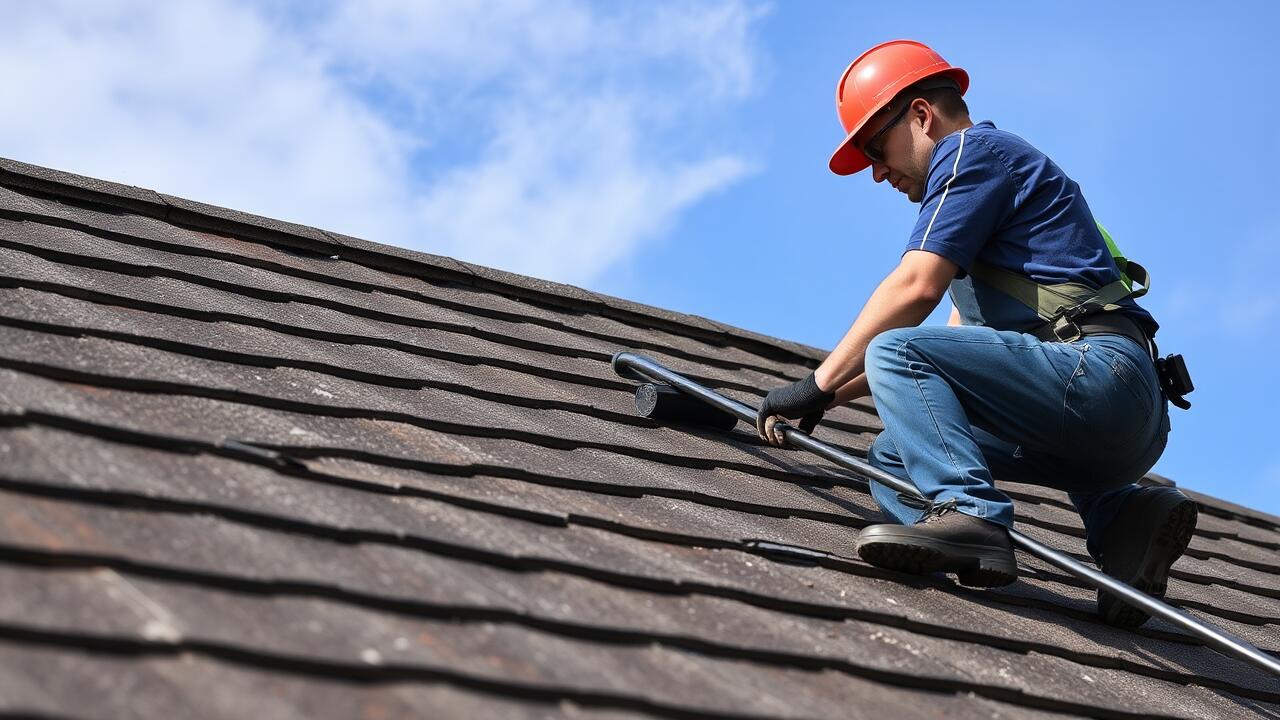
Insurance and Roof Repairs
Homeowners often face the dilemma of whether their insurance will cover roof repair costs. Many policies include provisions for damages caused by specific events like storms or fallen trees. However, coverage can vary significantly based on the type of damage and the policy details. It is crucial to read your insurance policy carefully to understand any exclusions or limitations that may apply.
In some cases, insurance companies may require a deductible to be met before they cover any repair expenses. This means homeowners will need to pay a certain amount out of pocket before receiving assistance from their insurer. Additionally, having a professional inspection can help in documenting the extent of the damage, which may support your claim and ensure you receive the maximum benefit available for your roof repair.
Coverage Options
When considering roof repair, it's essential to understand the various coverage options available through insurance policies. Most homeowner's insurance policies will cover roof damage due to specific perils like storms, fire, or vandalism. However, policies differ significantly in terms of deductibles, coverage limits, and exclusions. It's crucial to read through the fine print of your policy to determine what type of roof repair is included or excluded, as this can impact the out-of-pocket costs when damage occurs.
Some insurance companies also offer specialized endorsements for roof repair that may enhance your coverage. These endorsements might provide benefits such as replacement cost coverage, which could help offset high repair costs not covered under standard policies. Homeowners should also consider whether they have actual cash value (ACV) coverage, which factors in depreciation, potentially resulting in lower payouts for repairs. Examining these options thoroughly can help ensure adequate financial protection when facing roof repair needs.
Seasonal Impact on Repair Costs
Seasonal changes can significantly influence the cost of roof repair. During peak seasons, especially spring and summer, demand for roofing services tends to rise. This increased demand often translates to higher prices, as contractors may be overwhelmed with requests. Homeowners may find they need to budget more for repairs during these busy months. Conversely, the fall and winter seasons can provide opportunities for reduced rates, as contractors may have more availability.
Weather conditions also play a critical role in determining repair costs. Rain, snow, and extreme temperatures can complicate the roof repair process, potentially leading to higher labor costs. If damage occurs during a storm, homeowners may face expedited repairs at a premium. Waiting for milder weather can be beneficial, but delays may increase the risk of further damage, ultimately affecting the overall repair budget.
Best Time for Repairs
The ideal time for roof repair typically falls during the spring and early fall. During these seasons, weather conditions are often stable, allowing contractors to work without significant interruptions. Additionally, the absence of extreme temperatures can help ensure that the materials used for repairs adhere properly and cure as intended. Scheduling roof repairs during these periods can also prevent potential damage from storms or heavy snowfall, which may cause further complications.
Winter presents challenges for roof repair with cold temperatures and unexpected snowstorms. The harsher conditions can hinder the quality of work done and increase the risk of accidents on the job site. Homeowners may face delays in project timelines, which could lead to prolonged exposure to the elements for compromised roofs. To mitigate these risks, it's best to plan roof repairs during milder months when contractors can operate more efficiently and safely.
Finding a Reliable Contractor
Finding a reliable contractor for roof repair can seem daunting. Start by researching local companies with strong reputations in your community. Online reviews and testimonials provide insight into other customers' experiences. Make a list of potential contractors and check their credentials, such as licensing and insurance. This step ensures they meet industry standards and can adequately address your roofing needs.
Once you have narrowed down your options, prepare a set of questions to evaluate each contractor. Inquire about their experience with similar roof repair projects and request references from past clients. Discuss their approach to your specific situation, including estimated timelines and costs. Transparency in communication can indicate a contractor's professionalism and willingness to work closely with you.
Questions to Ask Before Hiring
When considering a contractor for roof repair, it’s essential to ask about their experience in the industry. Inquire how many years they have been in business and if they specialize in your type of roofing material. This information can help gauge their expertise and reveal whether they have dealt with similar projects in the past. Ensure they are licensed and insured to protect yourself from liability should any accidents occur during the repair process.
Another important question is about the warranty they offer on both labor and materials. A reliable contractor should stand behind their work and provide a guarantee that covers potential issues. Additionally, ask for references and examples of previous roof repair projects they have completed successfully. Speaking with past clients can offer insight into their workmanship and customer service, helping you make an informed decision.
FAQS
What factors influence the cost of roof repairs?
Several factors can influence the cost of roof repairs, including the type of roofing material, the extent of the damage, labor costs in your area, and any additional features like skylights or chimneys that may need attention.
How can I determine if my roof needs repairs?
Signs that your roof may need repairs include missing shingles, leaks inside your home, water stains on ceilings or walls, and visible wear or damage to the roofing material. It's best to have a professional inspection if you suspect issues.
Will my homeowner's insurance cover roof repair costs?
Coverage for roof repairs varies by policy. Typically, if the damage is due to a covered peril, such as a storm or fire, your insurance may help cover the costs. Always check your policy details and consult your insurance agent for specific coverage options.
What is the best time of year to schedule roof repairs?
The best time for roof repairs is typically during spring or early fall when weather conditions are mild, allowing for safer and more efficient work on the roof. Avoid scheduling repairs during winter or peak storm seasons.
How do I find a reliable roofing contractor?
To find a reliable roofing contractor, seek recommendations from friends or family, check online reviews, verify their licensing and insurance, and ask for references. Additionally, ensure they provide a detailed estimate and warranty for their work.