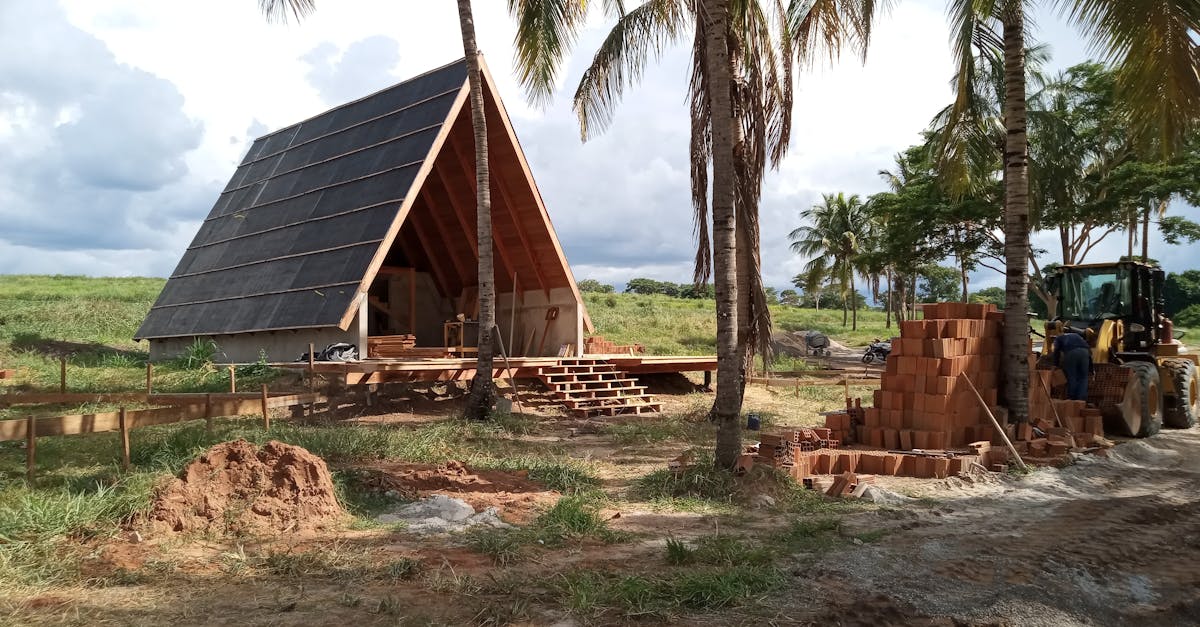
Assessing the Size of Your Roof
When evaluating the cost of a roof replacement, one of the primary factors to consider is the size of your roof. Larger roofs require more materials, which directly impacts the overall expense. Additionally, the shape and design of your roof can also affect the complexity of the installation process. More intricate structures may demand additional labor and expertise, further increasing the total cost of the project.
Estimating square footage plays a crucial role in budgeting for a roof replacement. Homeowners should measure their roof accurately, as even small discrepancies can lead to significant differences in material requirements and labor costs. Accurately assessing the size of your roof not only helps in obtaining precise quotes from contractors but also ensures that you plan appropriately for the financial aspects of the entire roofing project.
How Square Footage Affects Expenses
The total square footage of your roof plays a significant role in determining the overall cost of roof replacement. Larger roofs require more materials, which directly increases expenses associated with the project. This impact can be felt through additional labor costs as well, since a bigger area generally takes more time and effort to cover effectively. Homeowners should keep in mind that for complex shapes or multiple angles, the square footage can further complicate calculations and potentially escalate costs.
Beyond just the basic materials and labor, the square footage influences other factors that contribute to the overall price tag. For instance, roofing underlayment, flashing, and ventilation systems may need adjustment based on size. Moreover, homes with larger roofs might also necessitate more extensive warranties or specialized features, such as better insulation, which can elevate the final invoice. Understanding these variables can help homeowners budget more accurately for their roof replacement.
Additional Expenses Beyond Installation
When engaging in roof replacement, homeowners should be aware that the costs extend well beyond the initial installation. Materials can drive up expenses, especially if high-quality or specialty items are chosen. The roof’s design also plays a significant role; complex shapes may require additional labor and resources, increasing the overall price.
Beyond the visible materials and labor, there are often unseen costs associated with roof replacement. These may include permits required by local building codes, which can vary significantly by location. Inspections may also be a part of the process, ensuring the installation meets safety and quality standards. Failure to account for these factors can lead to unexpected financial surprises during what is already a sizable investment.
Considering Permits and Inspections
Before embarking on a roof replacement project, it’s essential to understand the necessary permits and inspections required by local authorities. These regulations ensure that the work meets safety standards and zoning laws. Obtaining the right permits can vary depending on the location and the scope of the project. The cost and time required to secure these permits should be factored into the overall budget for a new roof.
Inspections are often mandated both before and after the roof replacement. They help ensure that the work has been done correctly and complies with building codes. Failing to acquire the appropriate inspections can lead to complications down the line, including fines or the need for additional repairs. Planning for these requirements ahead of time can help streamline the process and avoid unexpected delays.
Financing Your Roofing Project
Roof replacement can be a significant financial investment, often requiring homeowners to seek various financing options. Many companies offer payment plans that align with individual budgets, allowing for more accessible management of the overall cost. Some homeowners may also consider taking out a home equity loan or line of credit, which typically offers lower interest rates compared to personal loans. These options can provide the necessary funds to cover the expenses associated with roof replacement while allowing for flexible repayment terms.
Before deciding on a financing route, it is crucial to assess the total cost of the project, as this encompasses more than just the installation. Homeowners should take into account potential additional expenses, including permits, inspections, and any necessary repairs revealed during the roofing process. Understanding the full financial scope can help in determining the most feasible financing method, ultimately ensuring the roof replacement fits within one's financial means.
Exploring Loan Options and Payment Plans
When considering a roof replacement, exploring different loan options can provide financial relief. Homeowners often look into personal loans, home equity lines of credit, or even specialized roofing financing offered by contractors. Each of these options comes with its own set of terms and interest rates, so it's essential to shop around and compare offers.
Payment plans can also make roof replacement more manageable. Many contractors provide flexible financing solutions that allow homeowners to pay in installments over time. This can ease the burden of a large upfront cost, providing a way to invest in a necessary home improvement without straining personal finances. Evaluating these options carefully can ensure that homeowners make informed decisions that fit their budget.
FAQS
What factors contribute to the cost of a roof?
Several factors contribute to the cost of a roof, including the size and slope of the roof, the type of materials used, labor costs, and additional expenses such as permits and inspections.
Is a $30,000 roof cost considered typical?
A $30,000 roof cost can be typical depending on the size of the roof and the materials chosen. High-quality materials and large roof areas can significantly increase the total cost.
What additional expenses should I consider when budgeting for a roofing project?
Beyond installation, you should consider expenses such as permits, inspections, material delivery fees, and any necessary repairs to your home’s structure prior to installation.
Are there financing options available for roofing projects?
Yes, there are various financing options available, including personal loans, home equity loans, and payment plans offered by roofing contractors. It's advisable to explore multiple options to find the best fit for your budget.
How can I determine if the roofing cost is justified?
To determine if the roofing cost is justified, evaluate the quality of materials, the reputation of the contractor, and the overall warranty offered. Comparing quotes from multiple contractors can also help assess fairness in pricing.