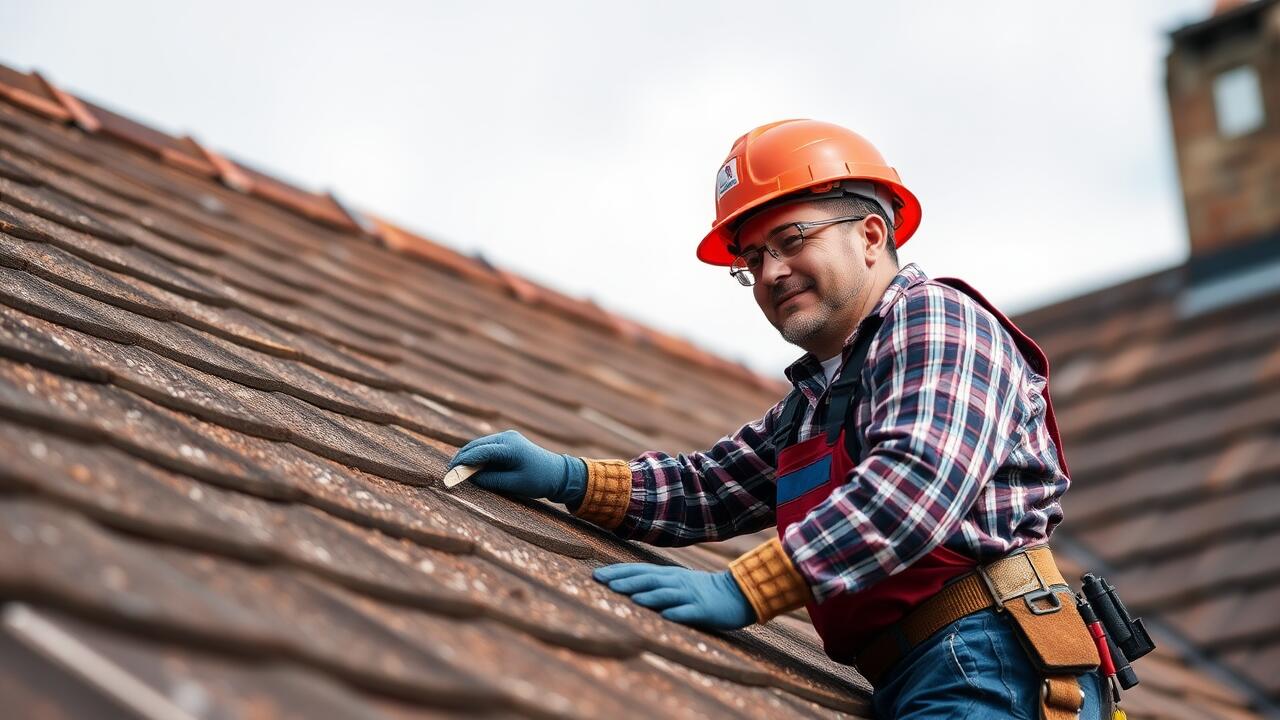
Leak Detection Systems
Leak detection systems are essential tools for maintaining the integrity of a roof. These systems use advanced sensors and monitoring devices to identify moisture accumulation or water intrusion before significant damage occurs. They can be installed as part of a comprehensive roof inspection strategy, providing real-time alerts when leaks are detected. This proactive approach can save property owners time and money by addressing potential issues early.
In addition to traditional inspection methods, leak detection technology enhances the effectiveness of routine assessments. By integrating these systems with building management software, users can receive instant notifications of leaks and monitor roof conditions remotely. This sophisticated monitoring complements regular roof inspections, ensuring that any potential problems are identified swiftly and effectively. Combining both approaches leads to a more thorough understanding of a roof’s health over time.
Utilizing Technology for Real-Time Monitoring
The use of advanced technology has transformed roof inspection processes, enabling real-time monitoring of roof conditions. Drones equipped with high-resolution cameras provide aerial views that allow inspectors to evaluate large areas efficiently. Thermal imaging cameras help detect heat loss, which can indicate underlying issues such as water intrusion or insulation failures. These tools not only enhance the accuracy of inspections but also make it safer for inspectors to assess hard-to-reach areas without risking injury.
Additionally, sensors can be installed on roofs to monitor various conditions continuously. These systems can track changes in temperature, humidity, and structural movement, alerting homeowners to potential problems before they become serious. Embracing this technology leads to proactive maintenance strategies, making scheduled roof inspections more effective in preventing costly repairs or replacements down the line.
Professional Roof Inspections
Professional roof inspections play a crucial role in maintaining the integrity of a building. Certified inspectors bring specialized training and experience to assess various types of roofing materials and structures. They have a keen eye for identifying potential issues such as wear and tear, water damage, or structural defects that may not be visible to the untrained eye. These inspections often include a thorough examination of gutters, flashing, and drainage systems to ensure proper functionality.
During a roof inspection, inspectors typically use specialized tools and techniques to provide a comprehensive evaluation. This may involve climbing onto the roof or utilizing drones for a more expansive view. Inspections also take into account the local climate and its effects on roofing materials, allowing for informed recommendations regarding repairs or replacements. By proactively scheduling these inspections, property owners can prevent costly damage and extend the lifespan of their roofs.
What to Expect from a Certified Inspector
A certified inspector brings a wealth of knowledge and expertise to the roof inspection process. They are trained to identify potential problems, such as structural weaknesses, water damage, and signs of wear that may not be immediately visible. The inspector will typically follow a thorough checklist to evaluate the condition of the roof, including examining flashings, drainage systems, and the integrity of roofing materials. This comprehensive approach ensures no detail is overlooked, providing homeowners with a clear understanding of their roof's status.
During a roof inspection, the inspector will often provide a detailed report outlining their findings. This document may include photographs, recommendations for repairs, and estimates for any necessary work. Homeowners can expect a professional assessment that not only highlights current issues but also offers insights into future maintenance needs. By investing in a certified roof inspection, property owners can make informed decisions about repairs and upkeep, ultimately extending the lifespan of their roofs.
Seasonal Roof Check-ups
Seasonal roof check-ups are essential for maintaining the overall health of your roofing system. Changes in weather can lead to various issues, such as leaks or material degradation. Regular inspections help identify problems early, allowing homeowners to address them before they escalate. A roof inspection during each season can uncover potential threats posed by heavy snowfall, rain, or intense summer heat.
Incorporating seasonal inspections into your maintenance routine not only preserves the integrity of your roof but also enhances its longevity. A proactive approach ensures that minor issues are resolved swiftly, reducing the likelihood of costly repairs in the future. Keeping a detailed record from each roof inspection can provide valuable insights into the roof's performance over time. Regular check-ups contribute significantly to a home’s structural safety and overall value.
Importance of Regular Maintenance
Regular maintenance is essential for the longevity of any roofing system. Routinely scheduling roof inspection helps identify potential problems before they escalate into costly repairs. Missing small issues such as cracked shingles or minor leaks during regular maintenance can lead to significant damage over time, compromising the integrity of the entire roof. Homeowners who commit to these evaluations ensure a proactive approach to roof health.
Additionally, seasonal changes can create unique challenges for roofing materials. Performing regular maintenance during each season allows for the timely identification of specific problems caused by weather fluctuations. This includes checking for debris buildup after storms or assessing damage from ice accumulation. By prioritizing roof inspection as part of a maintenance routine, property owners can safeguard their investments and enhance the resilience of their roofs.
FAQS
What are the primary methods of roof inspection?
The primary methods of roof inspection include leak detection systems, professional roof inspections by certified inspectors, and seasonal roof check-ups for regular maintenance.
How do leak detection systems work?
Leak detection systems utilize technology to monitor roofs for water intrusion in real-time, often employing sensors that alert property owners to potential leaks before they cause significant damage.
What should I expect from a certified roof inspector?
A certified roof inspector will conduct a thorough examination of your roof, providing a detailed report on its condition, identifying any existing issues, and recommending necessary repairs or maintenance.
Why are seasonal roof check-ups important?
Seasonal roof check-ups are essential for identifying any potential problems early on and ensuring that the roof remains in good condition, ultimately prolonging its lifespan and preventing costly repairs.
Can I inspect my roof myself, or should I hire a professional?
While homeowners can perform basic visual inspections, it is recommended to hire a professional inspector for a comprehensive evaluation, especially for hard-to-reach areas or if there are potential structural concerns.