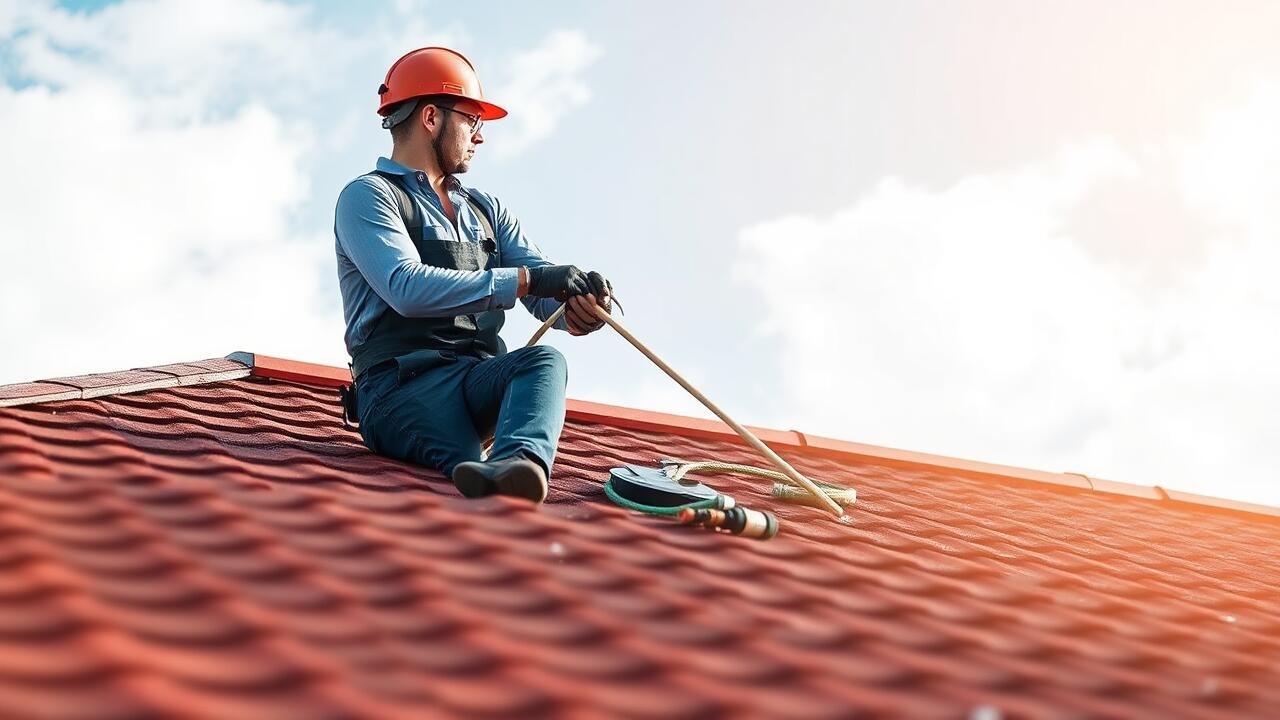
Timing Your Roofing Project
Timing can significantly influence the cost of roof installation. Contractors often experience a slowdown in work during the fall and winter months. During this period, homeowners may find more competitive pricing and availability. Conversely, spring and summer typically see a surge in demand, leading to higher costs. Scheduling your project during the off-peak season can reduce financial strain and ensure a smoother installation process.
Additionally, local weather conditions play a crucial role in roof installation timing. Unpredictable patterns can delay projects, resulting in potential additional costs. It’s wise to monitor forecasts, as unexpected rain or snow may hinder progress. Planning for a time window with more favorable weather will ensure that roofing materials and labor remain on schedule, minimizing disruptions during the installation.
Seasonal Impacts on Roofing Costs
Seasonal variations can significantly influence roofing costs, impacting both the price of materials and labor availability. Many contractors experience peak demand during the summer months, which can drive up prices due to increased workloads. In contrast, off-peak seasons like fall or early spring may offer lower rates for both installation and materials as contractors look to fill schedules. This strategic timing can help homeowners find the cheapest options for roof installation.
Weather conditions also play a crucial role in roofing expenses. Rainy or snowy seasons can delay projects, potentially increasing labor costs as workers may need to extend timelines or accommodate weather-related interruptions. On the other hand, dry and mild weather creates ideal conditions for roof installation, allowing projects to be completed efficiently and on time. Taking these seasonal factors into account can lead to cost savings when planning a roofing project.
Community Assistance Programs
Community assistance programs can significantly reduce the financial burden of roof installation for eligible homeowners. Various local and state initiatives offer support through grants or low-interest loans designed specifically for roofing projects. These programs often have specific criteria, but they can provide crucial resources for those in need, especially for families with low or fixed incomes.
Participation in these programs can lead not only to affordable roof installation but also to enhanced home safety and energy efficiency. Homeowners should check with their local housing authorities or nonprofit organizations to discover what options are available in their area. Engaging with these resources can make a substantial difference in accessing financial assistance for necessary roofing improvements.
Resources for Financial Aid in Roofing
Homeowners looking to reduce the financial burden of roof installation can explore various assistance programs available at the local, state, and federal levels. Many communities offer grants, low-interest loans, or special financing options for those facing financial hardships. Additionally, non-profit organizations may provide resources or connections to professionals who can assist with reduced-cost services. It is essential to research eligibility requirements and application processes for these programs to ensure access to valuable support.
Another avenue for financial aid in roofing includes energy efficiency rebates. Some utility companies and government initiatives promote energy-efficient home improvements, which can often extend to roof installation. Upgrading to energy-efficient materials not only reduces long-term utility costs but may also qualify homeowners for incentives or rebates. Seeking out these opportunities can provide a significant reduction in overall expenditures while enhancing the home's value and sustainability.
Long-Term Savings with Energy Efficiency
Energy-efficient roofing solutions offer significant long-term savings that can greatly offset initial roof installation costs. Reflective roofing materials can decrease heat absorption, leading to lower air conditioning expenses during hot months. Insulation improvements made during roof installation can further enhance energy efficiency, reducing reliance on heating systems in colder weather.
Investing in durable, energy-efficient materials can also extend the lifespan of your roof. Many environmentally friendly options have warranties that reflect their longevity. This durability translates to fewer repairs and replacements over time, providing a clear financial benefit. Homeowners may find that the initial costs of energy-efficient roof installation are recovered through reduced energy bills and maintenance expenses.
Choosing Energy-Efficient Roofing Solutions
Energy-efficient roofing solutions can significantly reduce energy bills while improving home comfort. Options such as cool roofing materials reflect more sunlight and absorb less heat, making thermal regulation more effective within the home. Other materials, like metal or slate, offer durability along with energy efficiency, as they can effectively insulate a house throughout different seasons. When considering roof installation, homeowners should prioritize materials that align with their climate and energy-saving goals.
Additionally, incorporating insulation during roof installation enhances energy performance. The right insulation prevents heat loss in winter and keeps homes cool in summer. Homeowners may also consider solar reflective coatings, which can be applied to existing roofs. These solutions contribute to lower cooling costs and extend the lifespan of roofing materials. Opting for energy-efficient solutions during the roof installation phase can lead to substantial long-term savings.
FAQS
What is the best season to install a new roof to save money?
The best season to install a new roof is typically late spring or early fall. During these times, weather conditions are often more favorable, which can lead to lower labor costs and potentially better pricing from suppliers.
Are there any community programs that can help with roofing costs?
Yes, many communities offer assistance programs for homeowners needing roofing repairs or replacements. These programs may provide low-interest loans, grants, or subsidies, so it's worth checking with local government offices or nonprofit organizations for available resources.
How can energy-efficient roofing save me money in the long run?
Energy-efficient roofing materials can reflect more sunlight and absorb less heat, which may help reduce cooling costs during hot weather. This can lead to lower energy bills over time, providing significant long-term savings that can offset the initial investment in more expensive materials.
What types of roofing materials are considered the cheapest?
Asphalt shingles are generally the most affordable roofing material, followed by metal roofing and rolled roofing. However, the total cost can vary based on factors like installation, location, and the condition of the underlying structure.
Is it possible to do a roofing project on a tight budget?
Yes, it is possible to complete a roofing project on a tight budget by shopping around for materials, considering DIY options for installation, and exploring financing or community assistance programs. Prioritizing repairs and maintenance over a full replacement can also help manage costs.