Evaluating Roof Ventilation
Proper roof ventilation plays a crucial role in preserving the integrity of a home's structure. Inadequate airflow can lead to excessive heat buildup in the attic, causing shingles to deteriorate more quickly. Additionally, poor ventilation may trap moisture, leading to mold growth and wood rot. Homeowners should assess both intake and exhaust vents to ensure they function correctly. This evaluation is an essential aspect of roof maintenance that not only prolongs the life of the roof but also enhances energy efficiency throughout the home.
Inspecting ventilation systems involves checking for obstructions like debris or insulation that may block airflow. The use of a moisture meter can indicate if humidity levels are too high in the attic space. Ensuring that vents are appropriately sized for the roof's area is another critical element. A well-ventilated roof not only helps in maintaining structural integrity but also contributes to a comfortable living environment. Regular evaluation of roof ventilation should be part of routine roof maintenance to avoid potentially costly issues in the long run.
Importance of Proper Airflow
Proper airflow is essential for maintaining the lifespan and integrity of a roof. When heat and moisture get trapped within the attic space, it can lead to increased energy costs and damage to the roofing materials. Insufficient ventilation can create a warm environment conducive to mold growth and wood rot, compromising the structural soundness of the home. Roof maintenance efforts should always consider how well air circulates throughout the roof system.
Adequate ventilation balances temperatures and prevents excessive moisture buildup. This airflow helps to regulate temperature variations between the interior and exterior, which can also minimize ice dam formation in colder climates. Homeowners should regularly check vents, soffits, and ridges to ensure they are not obstructed or damaged. Taking these steps is an important aspect of effective roof maintenance that can save homeowners from costly repairs down the line.
Removing Debris from the Roof
Regularly removing debris from the roof is essential for effective roof maintenance. Accumulated leaves, branches, and other materials can trap moisture, leading to potential leaks and rot. Over time, this buildup can also contribute to the growth of moss or algae, which could damage roofing materials. A clear roof allows for better water drainage and reduces the risk of structural issues.
To safely remove debris, invest in proper tools designed for the task. Using a sturdy ladder is crucial for reaching high areas without risking injury. A roof rake can help dislodge heavier debris, while a broom can be useful for sweeping away lighter materials. Consider wearing safety gear and working with a partner to ensure safety and efficiency during roof maintenance.
Tools for Safe Debris Removal
When performing roof maintenance, having the right tools for safe debris removal is essential. A sturdy pair of work gloves protects your hands while handling sharp or rough debris. A roof rake can help you clear off accumulated leaves or snow without having to climb onto the roof itself, reducing the risk of slips and falls. Additionally, a sturdy ladder is crucial for accessing different sections of the roof safely.
Using a bucket or a tarp to collect debris as you work keeps your process organized and minimizes the risk of additional falling hazards. A leaf blower can also be an effective tool for removing lighter debris, facilitating a quicker clean-up. Proper equipment ensures that roof maintenance can be conducted efficiently while prioritizing your safety throughout the process.
Professional Roof Inspections
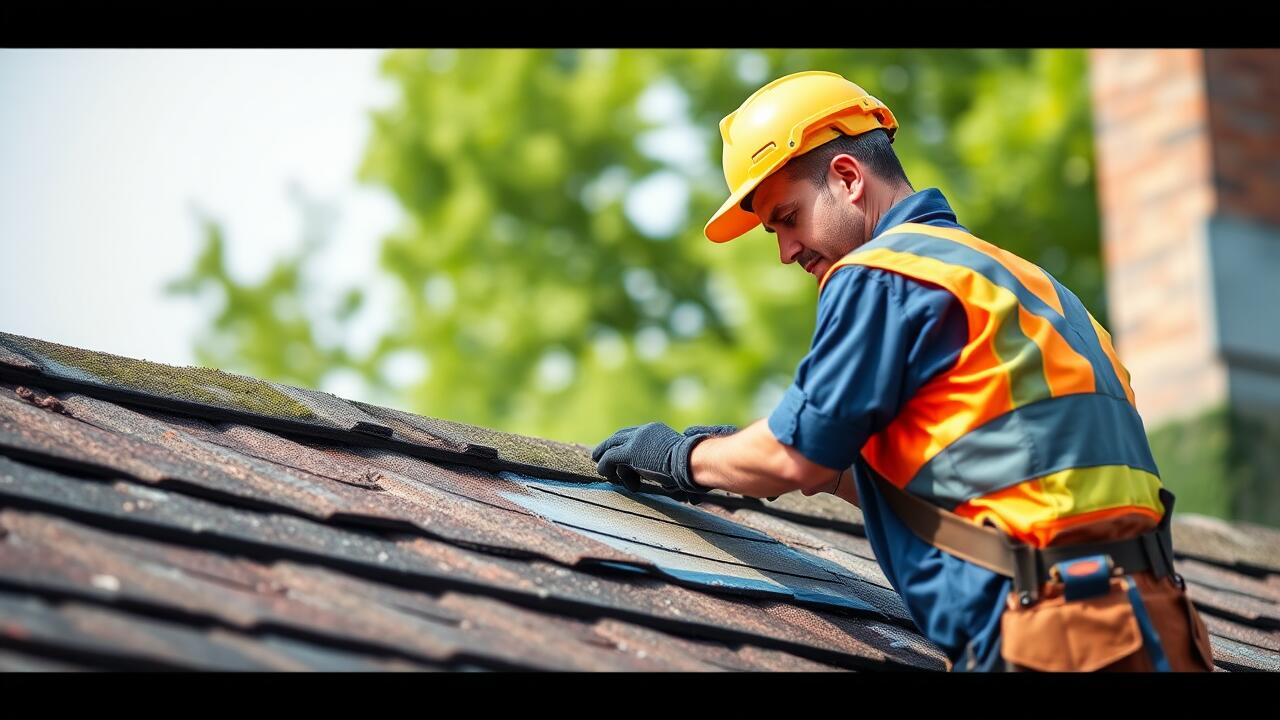
Professional roof inspections are crucial for identifying potential problems before they escalate into costly repairs. A qualified roofing expert will assess various aspects of the roof, including its structure, materials, and overall condition. This assessment ensures that all elements are functioning properly and that any wear and tear is addressed early. Regular inspections contribute to effective roof maintenance, allowing homeowners to extend the lifespan of their roofs while maintaining the safety of their property.
Scheduling a professional inspection is especially important after severe weather events, such as heavy storms or hail. Experts can detect damage that may not be visible to an untrained eye, such as compromised shingles or hidden leaks. Being proactive with roof maintenance through professional evaluations can save homeowners from unexpected expenses and enhance the overall integrity of their homes. Knowing when to hire a roofing expert is essential for efficient upkeep and long-term investment in one's property.
When to Hire a Roofing Expert
Recognizing when to hire a roofing expert is crucial for effective roof maintenance. Homeowners should consider bringing in a professional if they notice signs of damage, such as missing shingles, water leaks, or sagging areas. Delaying repairs may lead to more significant issues, increasing costs and risks. Professionals possess the knowledge to assess various roofing materials and identify problems that might go unnoticed by untrained eyes.
Additionally, routine roof maintenance often involves tasks that can be dangerous for non-experts. Climbing ladders or walking on a roof can be hazardous without proper training and equipment. Hiring an expert provides peace of mind, as they have experience in safely navigating various roofing conditions. It ensures that the roof is maintained to preserve its longevity and effectiveness in protecting the home from the elements.
FAQS
How often should I inspect my roof for maintenance?
It is recommended to inspect your roof at least twice a year, typically in the spring and fall, as well as after severe weather events.
What are the signs that my roof needs maintenance?
Common signs include missing shingles, visible wear and tear, leaks or water stains on ceilings, and debris accumulation in gutters or on the roof surface.
Can I remove debris from my roof myself?
Yes, but it's important to use the proper tools and safety equipment. If you're uncomfortable or the roof is steep, consider hiring a professional for safety reasons.
What is the importance of roof ventilation?
Proper airflow helps prevent moisture buildup, reduces the risk of mold growth, and extends the life of your roofing materials by keeping temperatures consistent.
When should I hire a roofing professional for maintenance?
You should consider hiring a roofing expert if you notice significant damage, have trouble accessing your roof safely, or if it has been a while since your last professional inspection.